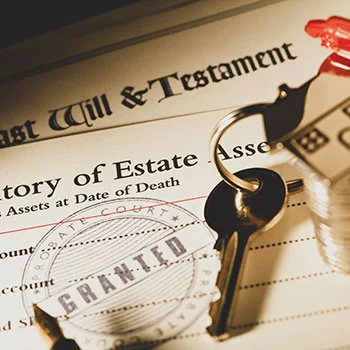
What Families and Personal Representatives Need to Know
Settling an estate often requires determining the value of real estate as of the date the property owner passed away. A retrospective estate appraisal, also known as a date-of-death appraisal, provides a professional opinion of a property’s value as of a specific date in the past.
For families and personal representatives handling estate properties in Baltimore County, Harford County, Baltimore City, Cecil County, Anne Arundel County, and Howard County, a retrospective appraisal can provide important documentation during the estate settlement process.
What Is a Retrospective Estate Appraisal?
A retrospective appraisal determines a property’s market value as of an earlier effective date, typically the date of the owner’s death.
Unlike a traditional appraisal that establishes a property’s current value, a retrospective appraisal examines historical real estate market conditions.
For example, if a homeowner passed away in 2021 but the estate is being settled in 2026, an appraiser can develop an opinion of the property’s value as of the date of death in 2021.
This type of appraisal is particularly useful when estate matters are handled months or even years after the property owner’s passing.
Why Is a Retrospective Estate Appraisal Needed?
A retrospective estate appraisal may be needed for several reasons, including:
- Estate Settlement: Establishing the property’s value for estate administration and distribution among beneficiaries.
- Tax Purposes: Providing documentation of fair market value that may be used to establish the property’s tax basis.
- Inheritance Decisions: Helping beneficiaries make informed decisions about retaining or selling inherited real estate.
- Estate Disputes: Providing an independent valuation when questions arise regarding the property’s historical value.
An accurate and professionally prepared appraisal can help attorneys, accountants, personal representatives, and beneficiaries navigate the estate settlement process.
How Does an Appraiser Determine Historical Property Value?
A retrospective estate appraisal requires researching the real estate market as it existed on the effective date.
The appraiser analyzes comparable property sales from the relevant historical period, considering factors such as location, square footage, condition, age, acreage, and property features.
The property’s condition as of the date of death is particularly important. Improvements completed after that date generally should not be included as though they existed at the time of valuation.
For example, if a property received a renovated kitchen or new bathrooms several years after the owner’s passing, those improvements would not automatically contribute to the property’s historical value.
An experienced appraiser considers the available historical information and market evidence to develop a well-supported opinion of value.
Simple Steps for Families Preparing for a Retrospective Estate Appraisal
Preparing for a retrospective estate appraisal in Maryland is generally straightforward. Families and personal representatives can help the process go smoothly by following a few simple steps.
- Provide the Property Information: Give the appraiser the property address, date of death, and contact information for the personal representative.
- Gather Available Documents: Locate any previous appraisals, property surveys, tax records, or photographs of the home. These can be helpful but are not always required.
- Describe the Property’s Past Condition: Let the appraiser know about any major renovations, repairs, or changes made to the property since the date of death.
- Arrange Property Access: If an inspection is necessary, coordinate a convenient time for the appraiser to visit the property.
- Receive the Completed Appraisal: The appraiser will research historical market conditions and prepare a report establishing the property’s value as of the requested date.
The Bottom Line: Families do not need to gather extensive paperwork or conduct their own market research. An experienced retrospective appraiser handles the valuation process and guides the family through any additional information needed.
Why Local Market Knowledge Matters
Real estate markets can vary significantly throughout Maryland. Property values and market conditions in Baltimore City may differ considerably from those in surrounding suburban and rural communities.
For example, a residential property in Baltimore County or Howard County may have different market influences than a property with significant acreage in Harford County or Cecil County. Likewise, properties in Anne Arundel County may be affected by location-specific factors such as waterfront access.
A qualified appraiser familiar with the local market can identify relevant historical comparable sales and analyze the factors that influenced property values at the time.
Understanding these differences is particularly important when determining a property’s value several years in the past.
The Importance of an Accurate Date-of-Death Appraisal
A professionally prepared retrospective appraisal provides an independent and well-supported opinion of historical property value.
This documentation can assist estate attorneys, accountants, personal representatives, and beneficiaries in making informed decisions throughout the estate settlement process.
Because estate valuations may have legal and tax implications, families should consult their estate attorney or tax professional to confirm the appropriate valuation date and reporting requirements.
Final Thoughts
Handling the real estate portion of an estate can be challenging, especially when determining a property’s value from several years earlier.
Fortunately, a retrospective estate appraisal provides a reliable method for establishing historical real estate value using relevant market data and professional appraisal methodology.
Whether the property is located in Baltimore County, Harford County, Baltimore City, Cecil County, Anne Arundel County, or Howard County, working with an experienced real estate appraiser from Robinson Appraisal Group can help make the estate settlement process more organized and manageable.
Need a Retrospective Estate Appraisal in Maryland?
The appraisers of Robinson Appraisal Group each have over 25 years of experience in the industry to help you through the process of determining your property’s historical value for estate administration, inheritance planning, and related valuation needs.